Komentář


A Ransom for Many - それは何を意味するのでしょうか?

Napsal(a) New Christian Bible Study Staff (Strojově přeloženo do 日本語)

A Ransom for Many - それは何を意味するのでしょうか?

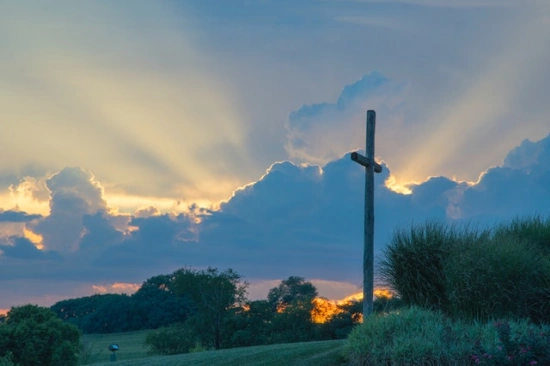
今から約2000年前、ナザレのイエス、イエス・キリストは十字架にかけられました。死にました。苦しみながら。そして、翌々日の朝には死からよみがえりました。彼の肉体は消滅した。というより、その後の出来事を考えると、それは霊的なものに変化したようだ。それ自体、考えると面白いことですが、この記事の焦点ではありません)。

その代わり、ここでは、イエスがなぜ死んだのかについて、聖書で語られているいくつかの事柄に注目したいと思います。それについては、ほぼ2000年前の混乱があります。それを掘り下げてみましょう...。

マルコによる福音書10:42-45 にも)。 マタイによる福音書20:25-28)には、イエスの宣教の後半に起こった、よく知られた教訓が記されています。ヤコブとヨハネは、まだ何が起こっているのかよく理解していなかったので、イエスが「王」になったときに、イエスの左と右に座ることを約束してほしいと陳情していました。もちろん、他の弟子たちは不愉快な思いをしました。イエスはこの状況を知っていたので、彼らを集めて、イエスの使命の本質と、彼らの使命のあり方を説明しようとしたのです。

これがその文章です。

"しかし、イエスは彼らを呼び寄せて言われた。「あなたがたは、異邦人を支配することになっている者たちが、彼らの上に主権を行使し、その偉大な者たちが彼らの上に権威を行使していることを知っている。しかし、あなた方の間ではそうではありません。あなた方の中で偉くなる者は誰でも、あなた方の大臣となります。あなたがたの中で偉くなる者は、あなたがたの大臣となり、あなたがたの中で最も偉くなる者は、すべての者のしもべとなる。人の子といえども、仕えられるためではなく、仕えるために来たのであり、また、自分の命を多くの人のための身代金として捧げるために来たのである。"

身代金です。ここで使われているギリシャ語は、λύτρον(ルトロン)といい、λύω(ルオ)の「緩める」「解く」「自由にする」という意味から、贖罪や身代金を意味しています。

神学者の中には、この文章を、十字架の物語の中で、イエスが苦悩と神の本質からの分離感を示す3つのことを言っている文章と組み合わせた人もいます。「わが神、わが神、なぜ私をお見捨てになったのですか」、「それにしても、私の意志ではなく、御心のままにしてください」、「父よ、彼らをお許しください。

これは確かに、イエスがある種のスケープゴートの役割を果たし、父を失望させた人類の代わりに自分の死を捧げた、一種の犠牲と解釈することができます。そのように解釈した神学者もいます。西暦1000年頃のカンタベリーのアンセルムは、そのような主張をする一派のリーダーの一人でした。しかし、私たちはそれが正しい道だとは思っていません。それどころか、間違った道であったために、かなりの損害を被ったと考えています。

新キリスト教の神学では、神が怒ったというのは意味がありません。神は愛そのものです。私たちが神の愛に応えないと、神はがっかりされますか?しかし、怒ることはありません。特に旧約聖書ではそのように見えることもありますが、神の本質は愛なのです。

さらに言えば、イエスの肉体が死んだからといって、父なる神の気分が良くなるわけではないことは、もっとはっきりしているはずです。二人は一人の人間であり、一心同体であることを忘れてはいけません。

むしろ、神の受肉、宣教、死、復活という一連のサイクルは、新しい真理が人類に到達するために行われたものなのです。

天界の秘義1419,

"主は、愛そのもの、あるいは天上のすべての愛の本質と命であり、人類に主のすべてのものを与えることを望んでおられます。" "このことは、人の子が自分の命を多くの人のための身代金として与えるために来たという主の言葉によって示されています。"

アポカリプスの説明 328:15という説明がありました。

"身代金を取る』という言葉は、人々を偽りから解放し、真理によって改革することを意味します。これは『真理の神エホバよ,わたしを身代金に換えてください』という言葉に示されています」。詩編31:5)

イエス様が死なれた理由の一つは、地獄の力に打ち勝つためでした。イエスは生涯を通して悪霊と戦いました。最も明確に描写されているのは、洗礼を受けた直後、荒野で40日間を過ごされた時です。イエス様の十字架の苦しみは、悪に対する最後の戦いであり、イエス様の復活は、悪に対する最後の勝利でした。

すべての人にとって、悪を克服するためには、誘惑や悪との戦いがあります。私たちが個人的に悪と闘うように、キリストは宇宙規模で悪と闘われました。キリストの死はその闘いの結論でしたが、それは敗北ではなく、勝利でした。聖書によると、神が肉と血を受けたのは、「死によって、死の力を持つ者、すなわち悪魔を滅ぼすためであった」とあります。(ヘブライ人への手紙2:14,15)

聖書がイエスの死の理由として挙げているもう一つの理由は、イエスがご自分の人間としての性質と神としての性質を一つにして、「ご自分の中で、二人で一人の新しい人を造る」ことができるようにするためでした(エフェソの信徒への手紙2:14-16を参照してください。 ヨハネによる福音書17:11, 21; 10:30)。

他にも様々な理由が挙げられます。

父のもとに行く」ことができた(ヨハネによる福音書13:3; 14:2, 28; 16:10)。彼は「栄光」を得ることができました(ヨハネによる福音書17:1,5)や「主の栄光に入る」(ルカによる福音書24:26)。彼は「完成された」ことができた(ルカによる福音書13:32)、または「聖なるもの」(ヨハネによる福音書17:19)。

スウェーデンボルグのでは真のキリスト教86と書かれています。

"エホバ神は、人々を救済する目的で、神の真理としてこの世に現れた。贖いとは、地獄を支配し、天界を再編し、そして教会を設立することだった。"

磔にされた時、悪の勢力は勝ったと思った。当時の宗教的、市民的な権力者たちが主導して彼を非難した。彼はあざけられた。群衆は彼に反発した。

イエス様の肉体の死は、このように「身代り」でした。あの拷問と死を受けることによって、イエス様は自分の霊的な力が自然の死を超えていることを示すことができたのです。イエスは、私たちを地獄の支配から解き放ち、新しい教会、私たちが従うことのできる新しい道を確立されたのです。

Ze Swedenborgových děl


Apocalypse Explained # 331

Prostudujte si tuto pasáž

  
/ 1232  
  

331. And people and nation, signifies who are of the Lord's spiritual church, and of His celestial church. This is evident from the signification of "people" and "nation" in the Word, "people" signifying those who are in spiritual good, thus those who are of the Lord's spiritual church, and "nation" those who are in celestial good, thus those who are of the Lord's celestial church. That there are two kingdoms into which the heavens are divided, namely, the celestial kingdom and the spiritual kingdom, and that those who are in the good of love to the Lord are in the celestial kingdom, and those who are in the good of charity towards the neighbor are in the spiritual kingdom, see in the work on Heaven and Hell, (n. 20-28). These two kingdoms, however, are not only in the heavens but also on the earth, and on the earth they are called the celestial church and the spiritual church. Few know what is signified in the Word specifically by a "people" or "peoples," and what by a "nation" or "nations." I will therefore present from the Word some passages where the two are named together, from which it will be clear that "people" and "nations" have distinct significations, for unless they had distinct significations they would not both be named together, as in the following passages.

[2] In Isaiah:

The strong people shall glorify Thee, the city of the formidable nations shall fear Thee. Jehovah will swallow up in this mountain the faces of the covering, that covereth over all peoples, and the veil that is veiled over all nations (Isaiah 25:3, 7).

Here a distinction is made between "peoples" and "nations," because "peoples" signify those who are of the Lord's spiritual kingdom, and "nations" those who are of His celestial kingdom, thus those who are in spiritual good and those in celestial good. Spiritual good is the good of charity towards the neighbor, thus the good of faith, and celestial good is the good of love to the Lord, and thence the good of mutual love. The truth of this good is what is meant by "the city of formidable nations," for "city" signifies the doctrine of truth, or the truths of doctrine; "to swallow up the covering over all peoples, and the veil veiled over all nations," signifies to dispel the shade that has so covered the understanding that the truths are not seen or the goods perceived that pertain to heaven and the church.

[3] In the same:

Come near, ye nations, to hear; and hearken, ye peoples; let the earth hear, and the fullness thereof (Isaiah 34:1).

Because "nations" signify those who are in the good of love, and "peoples" those who are in the good of charity and in the truths of faith therefrom, it is said of the nations that they should "come near," and of the peoples that they should "hearken;" to "come near" signifies to be conjoined by love, and to "hearken" signifies to obey and to be instructed; it is therefore said, "let the earth hear, and the fullness thereof," "earth" signifying the church in respect to good, and "the fullness thereof" truths.

[4] In the same:

I Jehovah have called thee in righteousness, and I will hold thine hand and I will give thee for a covenant to the people, for a light of the nations (Isaiah 42:6).

In the same:

Bring forth the blind people that have eyes, and the deaf that have ears. Let all the nations be brought together, and let the peoples gather together (Isaiah 43:8-9).

In the same:

I have given him for a witness to the peoples, a prince and lawgiver to the nations (Isaiah 55:4).

In the same:

Thus said the Lord Jehovih, Behold, I will lift up Mine hand towards the nations, and lift up My standard towards the peoples (Isaiah 49:22).

In the same:

The peoples that walk in darkness have seen a great light. Thou hast multiplied the nation, thou hast made great to it gladness (Isaiah 9:2-3).

And in the same:

It shall be in that day that the root of Jesse, which standeth for an ensign of the peoples, the nations shall seek. And He shall lift up an ensign for the nations, and shall gather together the outcasts of Israel (Isaiah 11:10, 12).

All these things are said of the Lord; and "peoples" and "nations" mean all who are of His church; for all who are of the Lord's church are either of His celestial kingdom or of His spiritual kingdom; not any except those who are in these two kingdoms can possibly be of the church. Moreover, there are two things that constitute the church, good and truth, both from the Lord; "nations" mean those who are in good, and "peoples" those who are in truth; and, abstractly from persons, "nations" signify the goods of the church, and "peoples" its truths; "peoples" signify the truths of the church because spiritual good, or the good of charity towards the neighbor, in which those are who are meant by "peoples," in its essence is truth. (See Arcana Coelestia 8042, 10296; why it is so, n. 863, 875, 895, 927, 1023, 1043, 1044, 1555, 2256, 4328, 4493, 5113, 9596; thence what the distinction is between those who are of the celestial kingdom and those who are of the spiritual kingdom, n. 2088, 2669, 2708, 2715, 3235, 3240, 4788, 7068, 8521, 9277, 10295)

[5] In the same:

In that time a present unto Jehovah of Hosts shall be brought; a people distracted and plundered: and a nation meted out and trodden down, whose land the rivers have spoiled, to the place of the name of Jehovah of Hosts, to Mount Zion (Isaiah 18:2, 7).

This treats of the invitation of all to the church; therefore also "people" and "nation" are both mentioned. "Mount Zion" signifies the church, to which they are invited; "a people distracted and plundered" signifies those with whom truths have been taken away, changed, or perverted by those who are in the falsities of doctrine; "a nation meted out and trodden down, whose land the rivers have spoiled," signifies those with whom goods have been treated in like manner, "rivers" meaning falsities and reasonings therefrom.

[6] In Zechariah:

Yet there shall come peoples, and the inhabitants of great cities, to entreat the faces of Jehovah, and many peoples and numerous nations shall come to seek Jehovah of Hosts in Jerusalem (Zechariah 8:20-22).

Here, too, "peoples" and "nations" signify all who are of the Lord's church; "peoples" those who are of His spiritual church, and "nations" those who are of His celestial church. "Jerusalem," to which they shall come, is the church.

[7] In David:

Thou wilt set me for the head of the nations; a people I have not known shall serve me (Psalms 18:43).

In the same:

Jehovah will subdue the peoples under us, and the nations under our feet. God reigneth over the nations. The willing ones of the peoples are gathered together (Psalms 47:3, 8-9).

In the same:

That [Thy way] may be known on the earth, Thy salvation among all nations. The peoples shall confess Thee, O God: the nations shall be glad and shout for joy; for Thou shalt judge the peoples in uprightness, and shalt lead the nations into the land (Psalms 67:2-4).

Remember me, O Jehovah, in good pleasure towards Thy people; that I may be glad in the joy of Thy nations (Psalms 106:4-5).

I will confess Thee, O Lord, among the nations. I will sing psalms unto Thee among the peoples (Psalms 57:9; 108:3).

In these passages also "peoples" and "nations" are mentioned, by which are meant all who are in truths and goods. Moreover, the very words that are applied to peoples are words that are predicated of truths, and those applied to nations are those that are predicated of goods. That no other are meant by "nations" is evident also from the fact that these things were said by David, who was an enemy of the Canaanitish nations.

[8] In Luke:

Mine eyes have seen Thy salvation, which Thou hast prepared before the face of all peoples; a light for a revelation to the nations (Luke 2:30-32).

In Zephaniah:

The remnant of My people shall spoil them, and the remainder of My nation shall inherit them (Zephaniah 2:9).

In Moses:

When her two sons were struggling in her womb, Rebekah went to inquire of Jehovah, and Jehovah said unto her, Two nations are in thy womb, and two peoples shall be separated from thy bowels (Genesis 25:22-23).

Remember the days of the age, when the Most High gave to the nations an inheritance; when He separated the sons of man he set the bounds of the peoples according to the number of the sons of Israel (Deuteronomy 32:7-8).

"The sons of man" have the same signification as "peoples," namely, those who are in spiritual truths and goods; therefore it is said of them, "when He separated the sons of man He set the bounds of the peoples according to the number of the sons of Israel;" "the sons of Israel" signifying the spiritual church, and the "number" of them, or of the twelve tribes named from them, signifying all the truths and goods therein (See just above, n. 330); such therefore are called "peoples;" "to separate" them and "to set their bounds" signifies to alienate from falsities and to bestow truths; and "to give an inheritance to the nations" signifies heaven and conjunction with those who are in the good of love.

[9] In Daniel:

All peoples, nations, and tongues shall worship Him; His dominion is an everlasting dominion, which shall not pass away, and His kingdom that which shall not perish (Daniel 7:14).

This is said of the Lord; and "peoples" and "nations" mean all who are in truths and goods; and "all tongues" mean all of whatever doctrine or religion; for the Lord's church is universal, since it exists with all who are in the good of life, and who from their doctrine look to heaven, and thereby conjoin themselves to the Lord (of whom see Heaven and Hell 318-328). Because "nations" signify those who are in the good of love, and "peoples" those who are in the good of charity and in the truths of faith therefrom, it is said, "His dominion is an everlasting dominion, and His kingdom shall not pass away;" "dominion" in the Word is predicated of good, and "kingdom" of truth; for this reason the Lord is called "Lord" from Divine good, and "king" from Divine truth.

There are other passages besides these that might be quoted to prove that "peoples" signify those who are of the spiritual church, and "nations" those who are of the celestial church. So far those only have been presented in which "peoples" and "nations" are mentioned together; to these some shall be added in which "nations" alone are mentioned.

[10] In Isaiah:

Open the gates, that the righteous nation that keepeth faithfulness may enter in. Thou hast added to the nation, O Jehovah, Thou hast added to the nation; Thou hast been glorified: Thou hast removed all the ends of the earth (Isaiah 26:2, 15).

In David:

All the ends of the earth shall turn unto Jehovah; and all the families of the nations shall worship before Thee. For the kingdom is Jehovah's; and He it is that ruleth among the nations (Psalms 22:27-28).

In Isaiah:

The nations shall walk to Thy light, and kings to the brightness of Thy rising. Thy heart shall be enlarged, because the multitude of the sea shall turn unto Thee, the army of the nations shall come unto Thee (Isaiah 60:3, 5).

All nations shall see Thy righteousness, and all kings Thy glory (Isaiah 62:2).

In these passages "nations" and "peoples" are not mentioned together, but still in the last two "nations" and "kings" because "kings" signify the like as "peoples," namely, those who are in truths (see above, n. 31); and it is because "nations" signify those who are in good, and "Kings" those who are in truths, that it is said of the nations that they "shall see Thy righteousness," and of the kings that they shall "see Thy glory;" "righteousness" in the Word being predicated of good, and "glory" of truth. (That "righteousness" is predicated in the Word of Divine good, see Arcana Coelestia 2235, 9857; and "glory" of Divine truth, n. 4809, 5922, 8267, 8427, 9429.)

[11] From the contrary sense it can yet be seen that "peoples" signify those who are in truths, and "nations" those who are in good; for in that sense "peoples" signify those who are in falsities, and "nations" those who are in evils, as in the following. In Isaiah:

O Assyrian, the rod of Mine anger, I will send him against a hypocritical nation, and against the people of My wrath will I command him (Isaiah 10:5-6).

In the same:

The voice of a multitude in the mountains; the voice of a tumult of the kingdoms of the nations gathered together. They come from a land afar off, from the end of the heavens, even Jehovah with the vessels of His indignation to destroy the whole land (Isaiah 13:4-5).

Jehovah that smiteth the peoples with a stroke not curable, that ruleth with anger the nations (Isaiah 14:6).

In the same:

At the noise of the tumult let the peoples flee away; and before Thine exaltation let the nations be dispersed (Isaiah 33:3).

In Jeremiah:

Behold, a people cometh from the land of the north, and a great nation shall be stirred up from the sides of the earth. They lay hold on the bow and spear; they are cruel, and have no mercy (Jeremiah 6:22-23).

In Ezekiel:

I will not cause thee to hear any more the calumny of the nations, and the reproach of the peoples thou shalt not bear any more (Ezekiel 36:15).

In David:

Thou makest us a byword among the nations, a shaking of the head among the peoples (Psalms 44:14).

In the same:

Jehovah bringeth the counsel of the nations to nought; He overthroweth the thoughts of the peoples (Psalms 33:10).

In these passages "peoples" mean those who are against the truths of the spiritual church, thus in falsities; and "nations" those who are against the goods of the celestial church, thus in evils. This is also the signification of the peoples and nations that were driven out of the land of Canaan. To this let what was said above n. 175 be added.

  
/ 1232  
  

Thanks to the Swedenborg Foundation for their permission to use this translation.

Ze Swedenborgových děl


Apocalypse Explained # 294

Prostudujte si tuto pasáž

  
/ 1232  
  

294. For Thou hast created all things, signifies that from Him are all existence and life, and heaven also for those who receive. This is evident from the signification of "to create," as being not only that all things came into existence from the Lord, but also that all life is from Him; and as the spiritual sense of the Word treats only of heaven and the church, therefore "to create" signifies primarily here to reform, thus to give heaven to those who receive, for this is to reform. That the existence of all things is from the Lord, see in the work on Heaven and Hell 7-12, 137); and that all life is from the Lord (n. 9); and in The Doctrine of the New Jerusalem 278). But here "to create" does not signify natural existence and life, but spiritual existence and life; and this is what is everywhere signified in the Word by "creating;" and for the reason that the existence of heaven and earth is not the end of creation, but a means to the end; the end of creation is that the human race may exist so that from it there may be an angelic heaven; and as this is the end, "to create" signifies to reform, which is to give heaven to those who receive. In the spiritual sense of the Word ends are meant, but in the sense of the letter only the means that involve the ends are spoken of; in this way the spiritual lies hid in the letter of the Word.

[2] That "to create" signifies to reform and regenerate men, and thus to establish the church, can be seen from the passages in the Word where this term occurs, as in the following. In Isaiah:

I will give in the wilderness the cedar of Shittah, and the myrtle, and the oil tree; that they may see and know, and consider and understand together, that the hand of Jehovah hath done this, and the Holy One of Israel hath created it (Isaiah 41:19, 20).

This treats of the establishment of the church among the Gentiles; "wilderness" signifies the absence of good, because of the ignorance of truth, for every good into which man is reformed is given only through truths; "the cedar of shittah" signifies genuine truth; "the myrtle and the oil tree" signify spiritual good and celestial good; whence it is clear what is signified by, "I will give in the wilderness the cedar of shittah, and the myrtle, and the oil tree," when the Gentiles that are not in the good of heaven and of the church, because in ignorance of the truth, are treated of; "that they may see and know, and consider and understand together," signifies the knowledges, understanding, perception, and affection, that are of the love of good and truth; from this signification it is clear that "the Holy One of Israel hath created it" signifies reformation, the that "to create" is to reform.

[3] In the same:

Thus said Jehovah thy Creator, O Jacob, and thy Former, O Israel, for I have redeemed thee, I have called thee by thy name; thou art Mine. Bring My sons from far, and My daughters from the end of the earth, everyone that is called by My name; into My glory I have created, I have formed, and I have made him. I am Jehovah your Holy One, the Creator of Israel, your King (Isaiah 43:1, 6, 7, 15).

This also treats of the establishment of a church among the Gentiles; and with reference to their reformation Jehovah is called "Creator" and "Former;" therefore it is said, "I have redeemed thee, I have called thee by thy name, thou art Mine." "Bring My sons from far, and My daughters from the end of the earth," signifies the Gentiles that are outside of the church, but that receive the truths and goods of the church from the Lord; "from far" and "from the end of the earth" signify those who are outside of the church, "earth (or land)" meaning the church, "sons" those who receive truths, and "daughters" those who receive goods. These are said to be "created, formed, and made into glory," "glory" meaning the Divine truth that they receive.

[4] In David:

Create for me a clean heart, O God, and renew a firm spirit in the midst of me (Psalms 51:10).

"To create a clean heart" signifies to reform in respect to the good of love; "to renew a firm spirit in the midst of me" signifies to reform in respect to the truth of faith; for "heart" signifies the good of love, and "spirit" a life according to the Divine truth, which is the faith of truth.

[5] In the same:

Wherefore hast Thou created in vain the sons of man? where are Thy former mercies? (Psalms 89:47, 49).

"To create the sons of man" signifies to reform through Divine truth; "the sons of man" are those who are in Divine truths, thus, abstractly, Divine truths.

[6] In the same:

The nations shall fear the name of Jehovah, and all the kings of the earth Thy glory, because Jehovah hath built up Zion. This shall be written for the generation to come; and a people that shall be created shall praise Jah (Psalms 102:15, 16, 18). This treats of reformation; "the nations that shall fear the name of Jehovah" mean those who are in good; and "the kings of the earth" those who are in truths from good; "to build up Zion" signifies to establish the church, "Zion" meaning the church "the people that shall be created and shall praise Jah" signifies all those who are reformed.

[7] In the same:

Thou givest to them, they gather; Thou openest Thine hand, they are satisfied with good. Thou sendest forth Thy spirit, they are created; and Thou renewest the faces of the earth (Psalms 104:28, 30).

It is plain here that "to create" means to reform; for "Jehovah giveth to them, they gather," signifies that they receive the truths that are given by the Lord; "Thou openest Thine hand, they are filled with good," signifies that they receive the good that flows in from the Lord; "Thou sendest forth Thy spirit, they are created," signifies that in respect to the life they are reformed according to Divine truth; "and Thou renewest the faces of the earth" signifies the establishment of the church.

[8] In Isaiah:

Lift up your eyes on high, and see; who hath created these? He that bringeth out their host in number, that calleth them all by name: God from eternity; Jehovah, the Creator of the ends of the earth, wearieth not (Isaiah 40:26, 28).

This also treats of reformation, which is signified by "creating;" "the host that Jehovah doth bring out" signifies all truths and goods; "to call by name" signifies reception according to each one's quality; "to create the ends of the earth" signifies to establish the church, thus to reform those who are therein.

[9] In Ezekiel:

Thou hast been in Eden, the garden of God; every precious stone was thy covering; in the day that thou wast created they were prepared. Thou wast perfect in thy ways in 1 the day that thou wast created, until perversity was found in thee (Ezekiel 28:13, 15).

This is said of the king of Tyre, by whom those who are in truths and through truths are in good are signified; of such it is said that they "have been in the garden of God, and that every precious stone was their covering;" "garden of God" signifies intelligence, and the "precious stones" here named signify the knowledges of truth and good; these are called a "covering" because they are in the natural man, and the natural man covers the spiritual; these are said to have "been prepared in the day that they were created," that is, in the day that they were reformed. This makes clear what is signified by "thou wast perfect in thy ways from the day thou wast created."

[10] In Isaiah:

Jehovah will create over every dwelling place of Mount Zion, and over her assemblies, a cloud by day, and the brightness of a flame of fire by night; for over all the glory shall be a covering (Isaiah 4:5).

"Zion" signifies the church in respect to the Word; the internal or spiritual sense of the Word in respect to good is meant by its "dwelling place;" the external or literal sense in respect to truths is meant by "the cloud by day," and in respect to good by "the brightness of the flame of fire by night." Because this sense covers and hides the spiritual sense it is called "a covering over all the glory," "glory" meaning the spiritual sense; these are said to be "created" because they are the truths of heaven and the church.

[11] In Malachi:

Hath not one God created us? wherefore do we act perfidiously? (Malachi 2:10).

Here "hath created us" signifies hath reformed that they might be a church; therefore it is said, "wherefore do we act perfidiously?"

[12] In Isaiah:

Thus said God Jehovah, He hath created the heavens, and spreadeth them out; He that stretcheth out the earth; He that giveth breath unto the people upon it, and spirit to them that walk therein (Isaiah 42:5).

"Creating the heavens and spreading them out" and "stretching out the earth" signifies to reform; "the heavens" signify both the heavens and the internals of the church; for the internals of the church are the heavens with the men that are in them; "the earth" signifies the external of the church, which is said to be "spread out" and "stretched out" when truths from good are multiplied. It is plain that reformation by truths is signified, for it is said, "He that giveth breath unto the people upon it, and spirit to them that walk therein. "

[13] In the same:

Jehovah, creating the heavens, forming the earth and making it; He hath not created it a void. He formed it to be inhabited (Isaiah 45:12, 18).

"The heavens," "the earth," and "to create" have a like signification here as in the passage adduced above; "He hath not created it a void" signifies that it is not without truth and good, in which those are that have been reformed; lack of these is a void; "He hath formed it to be inhabited" signifies that they should live according to good and truth and from them, for "to inhabit" signifies to live.

[14] In the same:

Behold, I create a new heaven and a new earth. Rejoice and exult for ever in that which I create; behold, I will create Jerusalem an exultation, and her people a joy (Isaiah 65:17-18).

"To create a new heaven and a new earth" does not mean a visible heaven and a habitable earth, but a new church, internal and external; "heaven" meaning the internal of the church, and "earth" its external. (What the internal of the church is, and what the external, see in The Doctrine of the New Jerusalem 246.) It is therefore said, "Behold, I will create Jerusalem an exultation, and her people a joy;" "Jerusalem" is the church, "exultation" its delight from good, and "joy" its delight from truth.

[15] "The new heavens and the new earth" in the same prophet (Isaiah 66:22), and in Revelation (Revelation 21:1) have a like signification; also the following in the first chapter of Genesis:

In the beginning Jehovah created heaven and earth. And the earth was void and empty; and darkness was upon the faces of the deep. And the spirit of God moved upon the faces of the earth. 2 And God said, Let there be light; and there was light. And God created man in His own image, in the image of God created He him; male and female created He them (Genesis 1:1-3, 27).

This treats of the establishment of the first church on this earth; the reformation of the men of that church in respect to their internal and their external is meant in this chapter by the creation of the heaven and the earth. That previously there was no church, because men were without good and truth, is signified by "the earth was void and empty;" and that they were previously in dense ignorance and also in falsities, is signified by "darkness was upon the faces of the deep;" their first enlightenment is signified by "the spirit of God moved upon the faces of the waters," and by "God said, Let there be light, and there was light;" "the spirit of God" signifies Divine truth proceeding from the Lord, and "to move upon the faces of the waters" signifies illustration; the like is signified by "light;" "and there was light" signifies the reception of Divine truth; "God created man into His own image" signifies so that man might be in the love of good and truth, and might correspond to heaven as a likeness of it, since the love of good and truth is "an image of God;" therefore also the angelic heaven is "an image of God;" consequently the angelic heaven in the Lord's sight is as one man (See in the work on Heaven and Hell 59-67, 68-72, 73-77, 78-86, 87-102).

"Male and female created He them" signifies that He reformed them in respect to truth and good, "male" means truth, and "female" good. This makes clear that this and the following chapter describe not the creation of heaven and earth, but the new creation or reformation of the men of the first church, and that like things are meant by "the new heaven and the new earth" and their "creation" in the passages cited just above.

[16] That "creation" in the Word signifies the reformation and establishment of the church, which is effected by means of the Divine truth that proceeds from the Lord, is plain from the following. In John:

In the beginning was the Word, and the Word was with God, and God was the Word. All things were made by Him, and without Him was not anything made that hath been made. In Him was life; and the life was the light of men. And the light shineth in the darkness, and the darkness apprehended it not. That was the true Light, which lighteth every man coming into the world. The world was made by Him, and the world knew Him not. And the Word became flesh and dwelt among us, and we beheld His glory (John 1:1-5, 9-10, 14).

"The Word" means here the Lord in respect to Divine truth; that all things were created by Divine truth is meant by "All things were made by Him, and without Him was not anything made that hath been made;" also by "the world was made by Him." Since "the Word" means the Lord in respect to Divine truth it is said, "In Him was life, and the life was the light of men; that it was the true light," "light" signifying Divine truth, and "life" all intelligence and wisdom from Divine truth; for this constitutes man's very life, and eternal life also is in accordance therewith. The Lord's presence with everyone with His Divine truth, from which are life and light, is meant by "the light shineth in the darkness, and lighteth every man coming into the world;" but that those who are in the falsities of evil do not perceive it, thus do not receive it, is meant by "the darkness apprehended it not," and by "the world knew Him not;" for "darkness" signifies the falsities of evil. It is very plain that it is the Lord in respect to the Divine Human that is here meant by "the Word," for it is said, "And the Word became flesh, and dwelt among us, and we beheld His glory," "glory" also signifying the Divine truth. (That all things were created by Divine truth proceeding from the Lord, which is here meant by "the Word," see in the work on Heaven and Hell 137[1-4], 139; and in The Doctrine of the New Jerusalem 263.) This also makes clear that "to make" or "to create" here also signifies to make man new, or to reform him; for here, like as in the book of Genesis, "light" is immediately mentioned, which signifies Divine truth proceeding, by which all are reformed (See in the work on Heaven and Hell 126-140; and in The Doctrine of the New Jerusalem 49).

Poznámky pod čarou:

1. For "in the day" the Hebrew has "from the day," as found in Arcana Coelestia 114.

2. For "earth" the Hebrew has "waters," as found in Arcana Coelestia 17, etc.

  
/ 1232  
  

Thanks to the Swedenborg Foundation for their permission to use this translation.